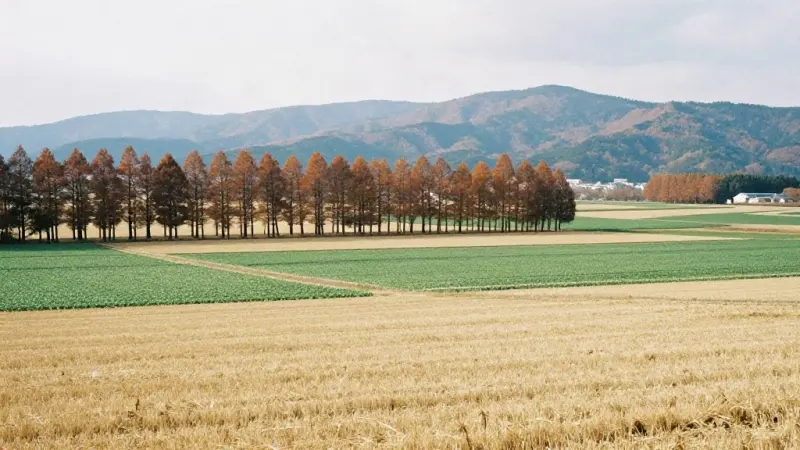
Nearby places
Places to visit along with Cirotto
With the combined ticket you can visit three museums in Makubetsu for 500 yen. Obihiro and Shiraoi also have places where you can learn about Ainu culture.
Combined ticket
- Valid at
- Exhibition Hall "Ucaskuma" at Cirotto, Makubetsu Furusato-kan and the Churui Naumann Elephant Museum (one visit each)
- Price
- Individuals 500 yen, groups of 10 or more 300 yen each
- Valid for
- 30 days
- Where to buy
- At the counter of each museum
Sources: Town of Makubetsu, "Makubetsu Ainu Cultural Exchange Center" and "Churui Naumann Elephant Museum" (in Japanese)

Makubetsu Furusato-kan (local history museum)
This local history museum shows Ainu everyday tools, daily life and history, centred on items donated by Ando Umeko. It also has tools from the settlement era and a building moved here from the Banseisha company's Tobetsu farm.
Address: 384-3 Yoda, Makubetsu. Phone: 0155-56-3117.
Open from 9:00 a.m. to 5:00 p.m. Closed on Mondays and Tuesdays (if one is a public holiday, the following day instead). Admission is 200 yen for adults and 100 yen for elementary and junior high school students.
Source: Town of Makubetsu, "Makubetsu Furusato-kan" (in Japanese). It is a good idea to phone before you go.

Churui Naumann Elephant Museum (忠類ナウマン象記念館)
The museum shows fossils of a Naumann's elephant found in Churui in 1969, with a reconstructed model of the skeleton.
Address: 383-1 Churui Shirogane-machi, Makubetsu. Phone: 01558-8-2826. It is in the south of the town, a long way from Cirotto.
Open from 9:00 a.m. to 5:00 p.m. (last entry 4:45 p.m.). Closed on Tuesdays. Admission is 300 yen, free for high school students and younger.
Source: Town of Makubetsu, "Churui Naumann Elephant Museum" (in Japanese)
Riwka (リウカ), Ainu culture information centre at the Obihiro Centennial City Museum
Riwka means "bridge" in Ainu. It has displays on how the Ainu people relate to plants and animals, and you can study with books, video and audio materials. Riwka is free to use.
Address: 2 Midorigaoka, Obihiro. Phone: 0155-24-5352. It is about 2 km from the south exit of Obihiro Station.
The museum's permanent gallery is open from 9:00 a.m. to 5:00 p.m. Closed on Mondays (open on public holidays). Admission to the permanent gallery is 380 yen for adults.
Source: Obihiro Centennial City Museum, visitor information (in Japanese)

Upopoy (ウポポイ), National Ainu Museum and Park
A national centre in the town of Shiraoi. It includes the National Ainu Museum, which shows about 800 items under six themes: language, universe, lives, history, work and exchange.
Address: 2-3 Wakakusa-cho, Shiraoi. About a 10-minute walk from JR Shiraoi Station. About 1 hour from Sapporo and about 40 minutes from New Chitose Airport.
Upopoy is in the west of Hokkaido and Cirotto is in Tokachi, in the east. Language and ways of life differ a little from place to place. Visiting both shows you the difference.
Sources: Upopoy, access; basic facts
The landscape around Cirotto
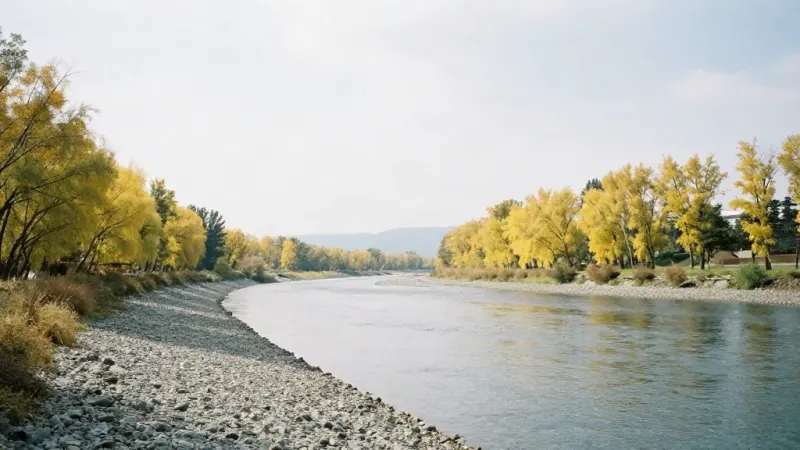
Tobetsu River
It runs just north of Cirotto. The top of the embankment is a cycling path.
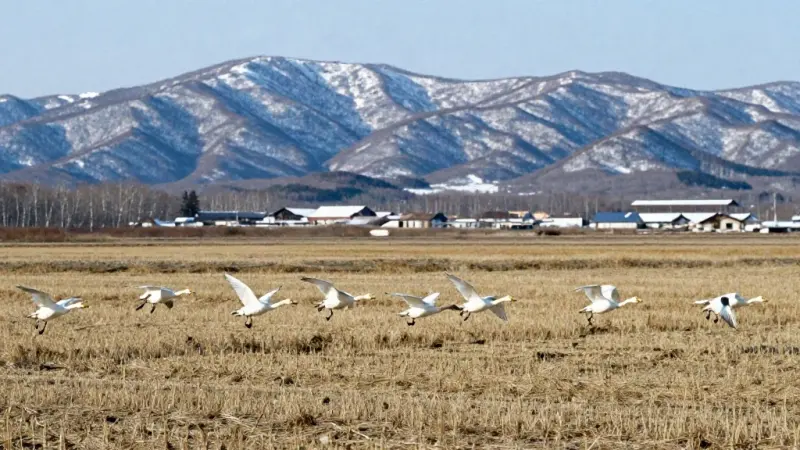
Whooper swans
The whooper swan is the town bird of Makubetsu. Swans are said to have come to the marsh that gave Cirotto its name.
Park golf
Makubetsu is where park golf was invented. There are courses all over the town.
Photos are for illustration only
Sources: Town of Makubetsu, Cirotto leaflet; the town's basic plan (draft) (in Japanese)