Facilities
The three buildings and rooms of Cirotto
Reception is immediately on your left as you enter. The Community Hall is to the right and the Exhibition Hall is at the back on the left. The Ezo Culture Archaeological Museum is a separate building next door.

Exhibition Hall "Ucaskuma" (ウチャㇱクマ)
Ucaskuma is an Ainu word meaning "a story handed down".
The permanent gallery introduces the history and culture of the Ainu people. The special exhibition gallery changes its theme from season to season.
The hall also has a storeroom built to protect valuable materials. The collection of the Ezo Culture Archaeological Museum is now kept and shown here.
There is an admission fee. High school students and younger enter free.
Community Hall "Newsar" (ネウサㇽ)
Newsar is an Ainu word meaning "to be glad, happy, cheerful".
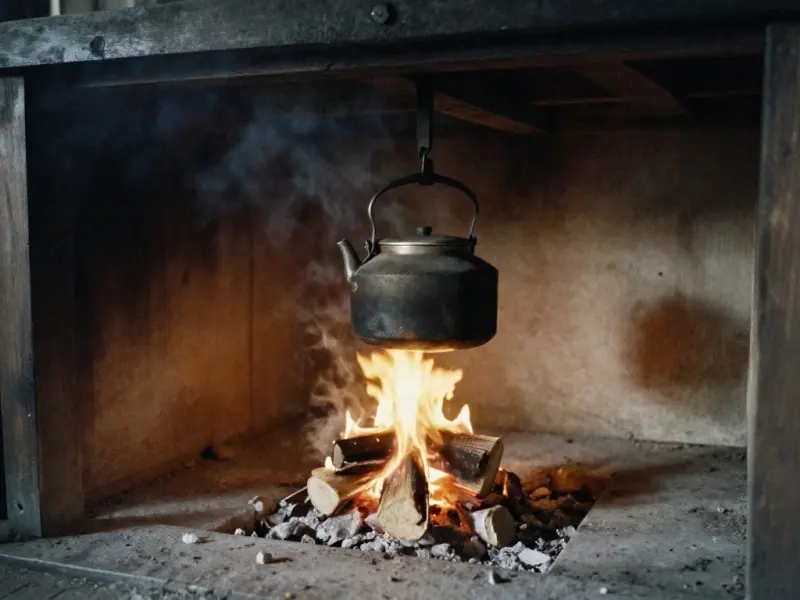
The tradition room has a hearth and ritual implements, so traditional Ainu ceremonies can be held there. Traditional dishes can be cooked in the kitchen. The training rooms are for crafts such as embroidery and wood carving.
The hall is for passing on and learning Ainu culture, and local groups and clubs can use it too. Rooms can be rented from 100 yen per hour.
Community Hall "Newsar"
| Room | Unit | Price |
|---|---|---|
| Training Room 1 | per hour | 100 yen |
| Training Room 2 | per hour | 100 yen |
| Ainu Training Room | per hour | 100 yen |
| Kitchen | per hour | 100 yen |
| Tradition Room (with hearth) | per hour | 300 yen |
| Waiting Room | per hour | 100 yen |
Opening hours: 9:00 a.m. – 5:00 p.m. (until 10:00 p.m. when a room is booked)
Ezo Culture Archaeological Museum (蝦夷文化考古館)
This museum was built in 1959 by Yoshida Kikutaro (吉田菊太郎, 1896–1965), an Ainu leader in Makubetsu.
He died in 1965. The following year, 1966, his family honoured his wishes and donated the building and the whole collection to the town.
The museum closed in March 2023 because the building had aged. It was then reinforced against earthquakes and is kept as a building of historical value. The collection is stored and shown in the Exhibition Hall.
Source: Town of Makubetsu, "Makubetsu Ainu Cultural Exchange Center" (in Japanese)
What you will find inside
- Reception (on the left just inside the entrance)
- Permanent gallery, special exhibition gallery and altar (Exhibition Hall)
- Tradition Room, Kitchen, Ainu Training Room, Training Room 1, Training Room 2 and Waiting Room (Community Hall)
- Wheelchair-accessible toilet
- Car parks (about 20 spaces on the east side, about 40 on the north side) and bicycle parking
Based on the site plan published by the town.
Plans published by the town
- Floor plan (PDF, in Japanese)Opens on the Makubetsu town website.
- Cirotto leaflet (PDF, in Japanese)Opens on the Makubetsu town website.